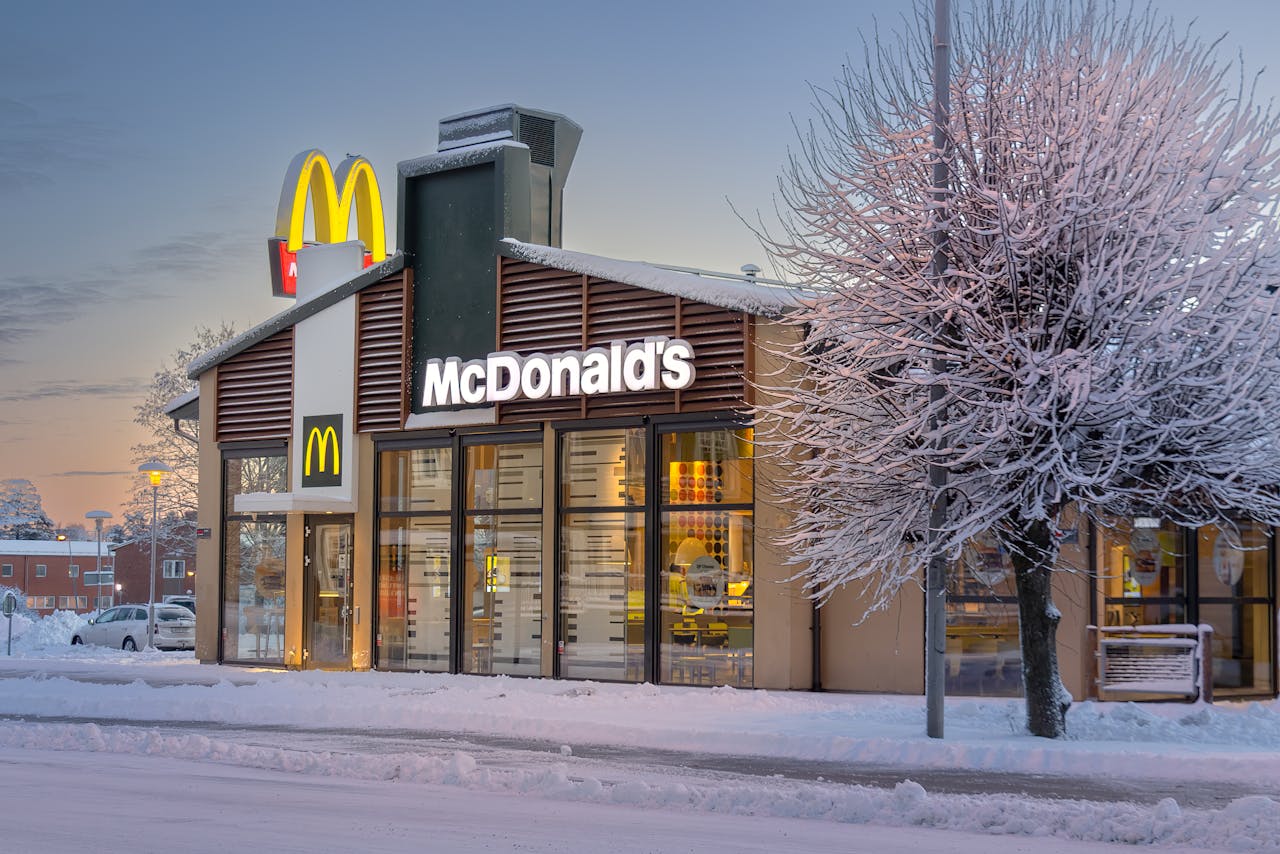
Growing from one store to several is a major milestone, but it introduces a complex challenge: how do you maintain control, consistency, and growth across multiple locations? The answer lies in modern multi-store management. This isn't about frantic drives between sites; it's about building a centralized, data-driven command center.
This guide walks you through the strategic shift to remote oversight, the essential tools you need, and how to overcome common hurdles. Let's build a framework for scaling your retail operations with confidence.
What is Multi-Store Management in the Modern Era?
Today, multi-store management is a holistic operational model. It moves beyond simply checking in on each location to creating a unified business where data, processes, and strategy flow from a central point to every storefront.
The Evolution from On-Site to Remote Oversight
Gone are the days when management meant being physically present. That model doesn't scale. Remote oversight uses technology to give you a real-time view of every location from anywhere. It turns reactive problem-solving into proactive management.
Core Pillars of a Unified Multi-Store Strategy
Three elements hold this model together:
Centralized Operations: Key decisions—from purchasing to promotions—are coordinated from a central hub.
Standardized Processes: Every location follows the same core procedures for opening, closing, customer service, and more.
Integrated Data: Sales, inventory, and customer data from all stores feed into a single dashboard for a complete picture.
The Strategic Imperative: Why Remote Management is Key to Retail Scaling
Embracing remote management isn't just convenient; it's a strategic necessity for profitable growth. It directly tackles the core challenges of retail scaling.
Operational Efficiency and Cost Control
Remote tools slash time and money spent on travel. You can verify compliance, approve schedules, and review performance digitally. This streamlines tasks and optimizes labor costs, protecting your margins as you grow.
Ensuring Brand Consistency and Customer Experience
A customer should have the same great experience at your downtown store as at your suburban outlet. Remote management lets you enforce standardized pricing, promotions, and service protocols instantly across all locations, safeguarding your brand's reputation.
Data-Driven Decision Making for Growth
With aggregated data, you see what's working. You can identify top-selling products chain-wide, spot underperforming locations, and tailor inventory to regional trends. These insights are your compass for smart expansion and marketing investments.
Building Your Remote Command Center: Essential Tools and Systems
Your strategy needs a technological foundation. Think of these tools as the infrastructure for your remote command center.
The Backbone: Cloud-Based POS and Inventory Management
This is non-negotiable. A unified, cloud-based system gives you real-time visibility into sales and stock levels at every store. You can transfer inventory between locations with a few clicks and make purchasing decisions based on live data.
The Eyes and Ears: Implementing Proactive Remote Monitoring
Go beyond security cameras. Integrated systems can monitor foot traffic, track temperature in refrigerated cases, or alert you if a store opens late. This proactive remote monitoring lets you address issues before they impact sales or compliance.
The Nervous System: Internal Communication and Task Platforms
Ditch the messy email chains. Use a dedicated platform to broadcast policy updates, share training videos, and assign tasks to store teams. This ensures everyone, everywhere, gets the same message at the same time.
Overcoming Common Challenges in Multi-Store Operations
Scaling successfully means anticipating and solving these typical pain points.
Maintaining Team Culture and Communication Across Distances
Foster connection through regular video check-ins, a central channel for recognizing employee achievements, and virtual team-building. Make sure remote staff feel seen and part of the bigger mission.
Standardizing Processes Without Stifling Local Adaptability
Set non-negotiable core procedures for operations, finance, and branding. Then, empower local managers to make minor adjustments—like community event participation—that resonate with their specific customer base.
Securing Data and Systems Across Multiple Locations
Each new store is a new endpoint to secure. Mandate strong passwords, use multi-factor authentication on all business systems, ensure regular software updates, and train staff on basic cybersecurity hygiene to protect your entire network.
A Framework for Implementing Your Remote Management Strategy
Ready to transition? Follow this phased approach to build your system methodically.
Phase 1: Audit and Centralize Your Core Data
Start by getting a single source of truth. Bring all your sales, inventory, and customer data into one cloud-based platform. You can't manage what you can't see clearly.
Phase 2: Select and Integrate Your Technology Stack
Choose tools that solve the specific problems you identified in Phase 1 and, crucially, that work well together. Prioritize integration to avoid data silos and extra manual work.
Phase 3: Develop Playbooks and Train Your Teams
Document your new standard operating procedures (SOPs) in clear playbooks. Then, invest time in training every team member, from managers to floor staff, on both the new processes and the tools that enable them.
The Future-Proof Retail Operation: Scaling with Confidence
Effective multi-store management through remote oversight is what separates thriving chains from struggling ones. It transforms the complexity of multiple locations from a burden into your greatest strength—a network of synchronized, data-generating assets.
By building this connected operational model, you're not just solving today's problems. You're creating an agile, informed business capable of sustainable retail scaling. You're building a operation that can grow with confidence, no matter how many storefronts you add to the map.
FAQ Section: Multi-Store Management
What is the biggest advantage of remote store monitoring?
The biggest advantage is proactive issue resolution. Instead of hearing about a problem after it affects sales, you get real-time alerts for things like equipment failure or low stock, allowing you to act immediately.
How can I ensure consistent customer service across all my locations?
Create detailed service SOPs, use your communication platform for regular training refreshers, and implement secret shopper programs. Review customer feedback from all locations centrally to identify and address service gaps.
What are the first steps to take when moving from a single store to multi-store management?
First, implement a cloud-based POS/inventory system. Second, document all your current store processes into SOPs. Third, hire or train a manager you trust implicitly to run the original location, freeing you to focus on replication and strategy.
Is remote multi-store management suitable for small retail chains?
Absolutely. In fact, it's often more critical for small chains where resources are tight. The right tools prevent you from being stretched too thin and provide the data needed to make every expansion decision count.