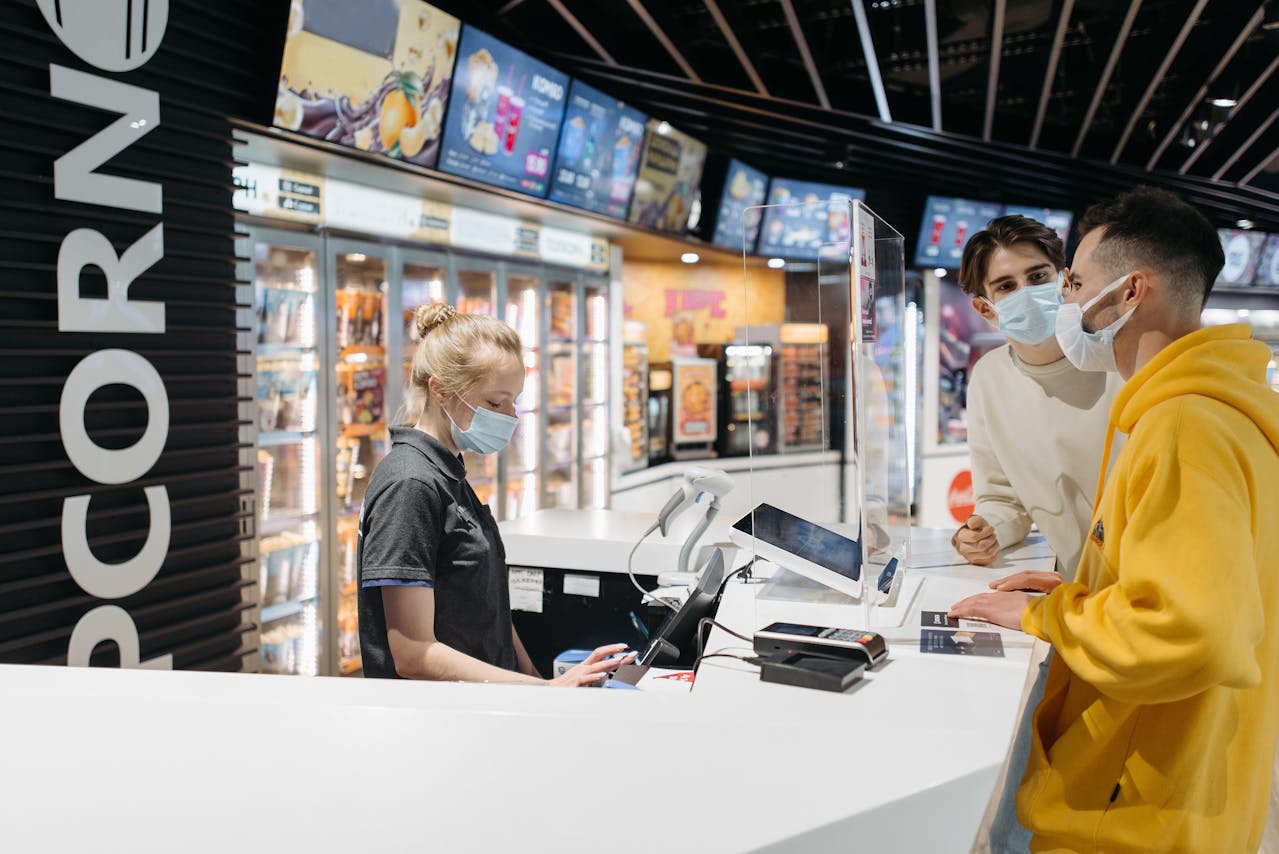
Queue management is a critical business strategy that directly impacts your bottom line. It's not just about organizing a line; it's about systematically improving customer experience and operational efficiency. Effective queue management transforms the checkout process, reduces wait times, and keeps customers coming back.
What is Queue Management? (Beyond Just "The Line")
Modern queue management is a holistic approach to the customer journey from arrival to service completion. It encompasses the systems, psychology, and technology used to manage customer flow, aiming to minimize frustration and maximize throughput.
The Evolution from Physical Lines to Virtual Queues
Technology has fundamentally changed queuing. The static, physical line is giving way to virtual queues, mobile check-ins, and appointment scheduling. Customers can now join a queue remotely, receive real-time updates, and arrive just in time for service, eliminating the need to stand in a crowded space.
Core Components of an Effective Queue System
Every queue system has four key parts: the arrival process (how customers enter), the queuing discipline (rules like FIFO or priority service), the service mechanism (checkout counters, kiosks), and the exit process. Optimizing each component is essential for smooth flow.
The Direct Impact of Queue Management on Checkout Efficiency
How you manage queues has a direct, measurable effect on how quickly and smoothly your checkout operates. It's the engine behind checkout efficiency.
Reducing Perceived vs. Actual Wait Time
A customer's perception of wait time is often more important than the clock. Good queue management uses principles like occupied time (entertainment or information), clear communication, and a sense of fair treatment to make waits feel shorter. This directly reduces cart abandonment and walkaways.
Optimizing Staff Allocation and Workflow
With real-time queue data, managers can make smarter staffing decisions. Predictive analytics can forecast rushes, allowing for dynamic deployment of staff to open new registers or assist customers—a core line-busting tactic that prevents bottlenecks before they form.
Key Strategies and Tactics for Queue Optimization
Improving your queue management involves both tactical adjustments and strategic technology use. Here are actionable methods any business can implement.
Implementing Proactive Line-Busting Techniques
Line-busting is about engaging customers before they reach the main counter. Tactics include:
Equipping staff with mobile POS devices to complete transactions anywhere.
Deploying "line managers" to answer questions, verify prices, or prepare orders in advance.
Using self-service kiosks for simple transactions like returns or bill payments.
Leveraging Technology: From Digital Signage to Queue Analytics
Technology provides the data and automation needed for smart decisions. Queue management software can monitor wait times, people counters deliver accurate traffic data, and digital signage can inform customers of expected waits or direct them to less busy stations.
Designing the Physical and Digital Checkout Space
Your environment dictates flow. Use clear signage, a single serpentine line (where applicable) to ensure fairness, and dedicated areas for omnichannel services like Buy Online, Pick Up In-Store (BOPIS) or curbside pickup to separate traffic streams and reduce front-end congestion.
Measuring Success: KPIs for Queue and Checkout Performance
You can't improve what you don't measure. Tracking the right key performance indicators (KPIs) is essential to prove ROI and guide your strategy.
Essential Metrics: Wait Time, Throughput, and Abandonment Rate
Focus on these core operational metrics:
Average Wait Time: The actual time from queue entry to service start.
Throughput: The number of customers served per hour per station.
Abandonment Rate: The percentage of customers who leave the queue before being served.
The Ultimate Metric: Customer Satisfaction and Loyalty
Operational metrics tie to business outcomes. Monitor Net Promoter Score (NPS), customer retention rates, and sales conversion at the point of queue. A positive waiting experience often translates directly into higher basket value and repeat visits.
Common Queue Management Pitfalls to Avoid
Even with the best intentions, businesses often make these mistakes that undermine their checkout efficiency.
Ignoring the Data (or Not Collecting It)
Relying on gut feeling instead of hard data is a major error. If you aren't measuring wait times, queue length, and service rates, you're making decisions in the dark. Start with simple manual counts or affordable people counters to establish a baseline.
Over-Engineering vs. Under-Serving
Balance is key. A complex virtual queue system might be overkill for a low-volume boutique, while a single-file line is insufficient for a busy grocery store. The best solution fits your specific customer volume, transaction types, and operational capacity without neglecting fundamental, human-centric service.
The Future of Frictionless Checkout Experiences
The trajectory is clear: queue management and checkout are merging into a single, seamless process. We're moving towards fully integrated systems where a customer's journey is tracked from entry to payment, with AI predicting flows and automating staff alerts. Technologies like computer vision for crowd analysis and advanced predictive analytics will make proactive queue management the standard, not the exception. The goal is a checkout experience so smooth it feels invisible.
Queue Management Questions Answered
What is the simplest way to start improving my store's queue management?
Begin by observing and measuring. Time your peak-hour wait times for a week, note where lines form, and ask staff for bottleneck feedback. Often, simple fixes like clearer signage, a defined queue area, or repositioning a popular item can yield immediate improvements.
How does virtual queuing work, and is it right for a small business?
Customers join a waitlist via an app, text, or kiosk and are free to browse or wait elsewhere. They receive notifications when it's their turn. For small businesses with appointment-based services (salons, clinics) or predictable rushes (popular cafes), it's an affordable way to enhance customer comfort and manage expectations effectively.
What's the difference between queue management and crowd control?
Crowd control is reactive—it focuses on safety and order during large gatherings. Queue management is proactive and analytical—it's a continuous business process designed to improve service efficiency, customer satisfaction, and sales conversion during normal operations.
Can better queue management really increase sales, or does it just reduce complaints?
It does both, but the sales impact is significant. Shorter perceived waits reduce abandonment, meaning fewer lost sales. A better experience increases customer satisfaction, which boosts loyalty and average transaction value. Efficient queue management also allows staff to engage in suggestive selling rather than just processing transactions.