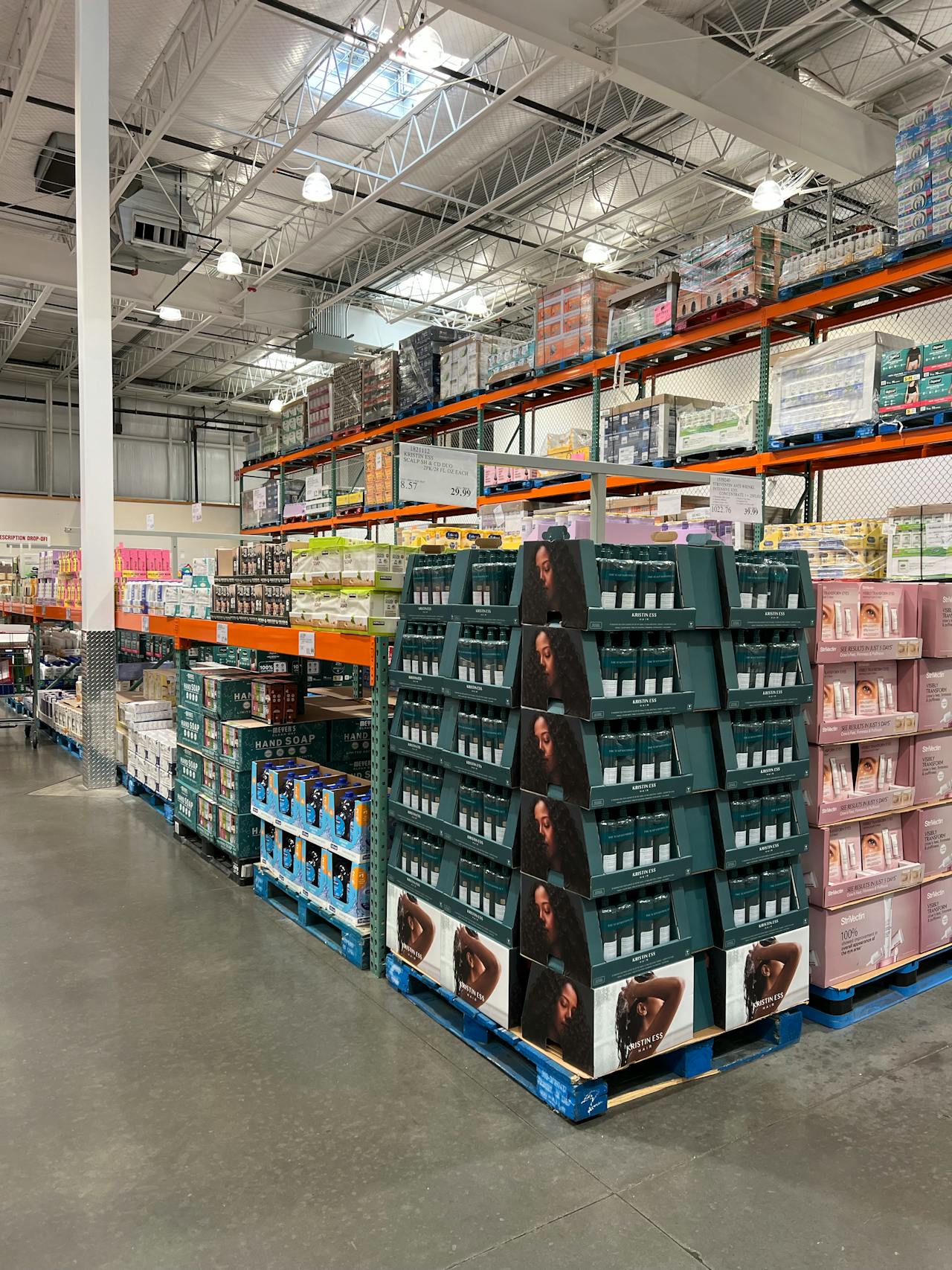
Behind every smooth-running retail store, restaurant, or warehouse is a well-organized backroom. Effective backroom organization is the silent engine of your operation, directly impacting your bottom line. This guide provides a clear framework to transform your stockroom from a chaotic storage area into a model of efficiency and control.
Why Backroom Organization Is Critical for Efficiency and Cost Control
A backroom or stockroom is more than just a storage closet. It's the critical hub where inventory is received, stored, and dispatched. Optimizing this space isn't about neatness for its own sake; it's a strategic business decision that drives tangible results.
The High Cost of a Disorganized Stockroom
Chaos has a price. A messy stockroom leads to wasted time as employees search for items, increased errors in orders, and higher rates of shrinkage from lost or damaged goods. It also frustrates your team, lowering morale and productivity.
Key Performance Indicators of an Optimized Backroom
How do you measure success? Look for concrete improvements like faster order picking times, a significant reduction in inventory shrinkage, improved inventory accuracy, and the ability to handle higher volume without added stress or space.
A 5-Step Framework to Improve Stockroom Efficiency
Ready for a transformation? Follow this actionable, step-by-step methodology to overhaul your stockroom management.
Step 1: The Great Declutter & Audit
Start with a clean slate. Remove everything. Categorize items into keep, discard, relocate, or sell. Conduct a full physical inventory count to establish a true baseline. This step alone often reveals significant amounts of obsolete stock tying up valuable space.
Step 2: Strategic Zoning and Layout Planning
Design your space based on workflow. Create logical zones:
Receiving Area: A dedicated space for unpacking and inspecting new shipments.
Storage Zones: Group like items together (e.g., by product type, season, or velocity).
Picking/Packing Area: An organized station for assembling orders quickly.
Map out a logical flow from receiving to storage to dispatch.
Step 3: Implementing the Right Storage Solutions
Match your storage to your inventory. Use adjustable shelving for flexibility. Employ clear bins for small parts and label everything clearly. The goal is for any team member to find and put away an item within 30 seconds. A consistent labeling system is non-negotiable.
Step 4: Establishing Clear Processes and Protocols
Organization must be systematic. Document standard operating procedures for key tasks:
Receiving and checking new inventory.
The "put-away" process to its designated home.
Order picking and packing.
Regular cycle counting schedules.
Consistency prevents backsliding into chaos.
Step 5: Training and Sustaining the System
A system is only as good as the people using it. Train every team member on the new layout, processes, and the "why" behind them. Schedule monthly mini-audits to address issues before they grow and make organization part of the daily routine.
Advanced Stockroom Organization Strategies for Growing Businesses
Once the basics are solid, these next-level tactics can further refine your operation.
Mastering Inventory Flow: FIFO, LIFO, and Beyond
For perishable or time-sensitive goods, the First-In, First-Out (FIFO) method is crucial to prevent spoilage. In other industries, Last-In, First-Out (LIFO) or batch tracking might be relevant. Choose the method that minimizes waste and aligns with your product lifecycle.
Leveraging Vertical Space and Underutilized Areas
Look up! Install taller shelving with safe access via step stools or ladders. Use overhead racks for seasonal or low-turnover items. Implement shelving on backroom doors for small, frequently used supplies. Every cubic foot counts.
Integrating Technology for Smarter Management
Move beyond clipboards. A simple inventory management app or spreadsheet can track stock levels. Barcode scanners dramatically speed up receiving and cycle counts. For larger operations, dedicated warehouse management software (WMS) can automate and optimize the entire process.
Common Backroom Organization Mistakes and How to Avoid Them
Be aware of these pitfalls that can undermine even the best-laid plans.
Mistake #1: Prioritizing Storage Over Accessibility
Stacking items to the ceiling might maximize storage, but it kills efficiency. If employees can't safely and quickly access what they need, you've created a warehouse, not a functional stockroom. Accessibility always trumps pure density.
Mistake #2: Neglecting Safety in the Pursuit of Order
Safety is paramount. Keep aisles clear for emergency egress. Respect the weight limits on shelving. Store heavy items at waist level, not overhead. Clearly mark and isolate hazardous materials. An organized space must also be a safe space.
Mistake #3: Failing to Plan for Seasonal or Promotional Flux
Inventory levels aren't static. Designate a flexible "overflow" zone for seasonal peaks or promotional stock. This prevents new shipments from clogging your primary picking areas and maintains order during busy periods.
Transforming Your Backroom into a Strategic Asset
The journey from chaos to control requires initial effort but pays continuous dividends. A well-executed backroom organization strategy reduces operational costs, boosts team morale, improves customer satisfaction through faster fulfillment, and ultimately protects your profit. View your stockroom not as a necessary evil, but as a competitive advantage waiting to be optimized.
FAQ: Backroom Organization Questions Answered
What is the first thing I should do to organize a messy stockroom?
Start with a complete declutter and audit. Remove everything, categorize it, and dispose of obsolete items. You can't organize clutter—you must remove it first to see what you're truly working with.
How often should I conduct a full inventory count in my backroom?
For most businesses, a full physical count annually is standard, often at fiscal year-end. However, implement weekly or monthly cycle counts of high-value or fast-moving items to maintain accuracy year-round and make the annual count less daunting.
What are the most cost-effective storage solutions for a small business stockroom?
Start with sturdy, adjustable wire shelving—it's versatile and allows for air circulation. Use clear, stackable bins for small items and invest in a quality label maker. A consistent labeling system is one of the highest-ROI investments you can make.
How can I improve stockroom efficiency without a major renovation?
Focus on process and low-cost tweaks. Implement clear zoning, standardize put-away and picking procedures, introduce a simple labeling system, and train your team. Often, the biggest gains come from behavioral changes, not structural ones.