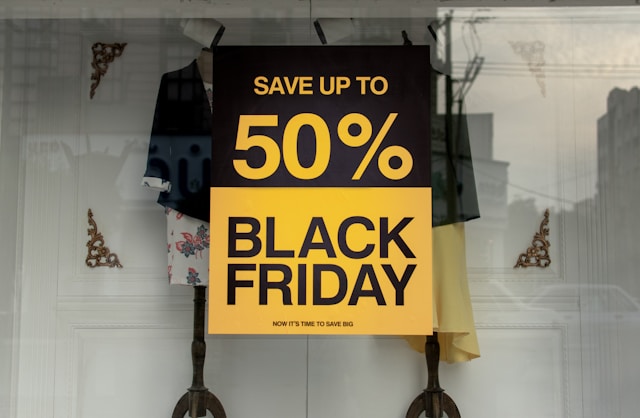
Black Friday 2025 delivered not just the usual surge in foot traffic, but a reshuffling of retail winners that highlights how U.S. consumers are redefining value. New data from Placer.ai shows unexpected chains outperforming traditional holiday leaders, signaling a shift in where shoppers believe they can find the best combination of price, convenience, and experience.
Bath & Body Works emerged as one of the standout performers, registering a 23.7% jump in in-store visits compared with last year. But the more surprising storyline is how off-price, wholesale clubs, and specialty brands captured momentum once dominated by big-box retailers.
A New Mix of “Winners” Points to Shifting Consumer Priorities
Across the board, retail traffic on Black Friday increased 2.7% year-over-year, while the first three weeks of November saw daily traffic nearly 51% higher than the same period in 2024. But what’s more important than the headline growth is where this traffic went.
According to Placer.ai, the “surprise winners” included:
•Sam’s Club
•Nordstrom
•Gap
•Lowe’s
•Barnes & Noble
•And a standout: Bath & Body Works
Most of these chains are not typically at the center of Black Friday hype. Their strong performance highlights a shift: consumers are prioritizing curated experiences, essential goods, and niche categories over generic doorbusters.
Off-Price and Value Retail Lead Growth—Again
Two off-price players delivered some of the strongest traffic increases:
•Ollie’s Bargain Outlet: +16.6%
•Ross Dress for Less: +13.9%
It’s no secret that off-price retailers thrive during economic uncertainty. Their blend of national brands and discounted inventory continues to resonate with shoppers who feel financial pressure—but still want quality. In the past five years, off-price has evolved from a “recession hedge” to a mainstream shopping habit, and this year’s Black Friday data reinforces that trend.
Category-level results paint the same picture. Traffic rose across:
•Thrift stores: +12.2%
•Beauty & self care: +4.5%
•Discount & dollar stores: +4.4%
•Clothing: +3.7%
From thrift to beauty to fast fashion, consumers are stretching their budgets while still seeking personal expression and lifestyle upgrades—an important signal as retailers plan 2026 inventory strategies.
Wholesale Clubs Quietly Outperform Big-Box Titans
Another notable trend: wholesale clubs outpaced traditional big-box retailers across the board.
Top performers included:
•Sam’s Club: +9.7%
•Lowe’s: +9.7%
•BJ’s Wholesale Club: +8.2%
•Costco: +7.7%
Meanwhile, the giants that historically dominated Black Friday traffic saw more modest gains:
•Walmart: +2.1%
•Home Depot: +3.0%
•Target: flat at 0.0%
This shift suggests that shoppers are consolidating their spending—favoring wholesale stores where they can buy more for less, especially during an inflation-sensitive year.
Department Stores Show a Split: Gap Surges While Legacy Chains Decline
Placer.ai’s numbers showed major divergence within apparel and department store categories:
Winners
•Gap: +12.5%
•All Gap brands: +6.4%
•Nordstrom: +2.4%
•Lululemon: +1.5%
Strugglers
•Kohl’s: −5.3%
•Macy’s: −5.9%
•JCPenney: −6.7%
•Belk: −8.7%
Gap’s strong performance stands out. Once considered a fading mall staple, the company has been revitalizing assortments and leaning into essentials and athleisure—categories that remain resilient. Conversely, legacy department stores continue facing structural challenges: high operating costs, aging store fleets, and difficulty differentiating their value proposition.
Specialty Retail Tells a Story of Polarization
The specialty category delivered the largest extremes:
Strongest performers
•Bath & Body Works: +23.7% — a clear category leader
•GameStop: +7.7%
•Barnes & Noble: +5.8%
Declines
•Ulta Beauty: −0.5%
•Best Buy: −2.1%
•Dick’s Sporting Goods: −4.2%
Bath & Body Works’ surge reflects a broader consumer trend toward small indulgences—affordable self-care items that feel premium without breaking budgets. Meanwhile, declines at Best Buy and Dick’s suggest major categories like electronics and sporting goods may be saturated following strong pandemic-era demand.
Weather Boosts Mall Traffic—But Long-Term Challenges Remain
Malls of all types saw year-over-year foot traffic increases on Black Friday:
•Indoor malls: +3.1%
•Open-air centers: +1.7%
•Outlet malls: flat at +0.2%, but with a 368.9% surge vs. November’s early daily averages
Weather played a role. Storms across the Midwest, Great Lakes, Rockies, and Northwest pushed shoppers indoors, while sunnier regions like California and the Sunbelt benefited open-air centers.
However, while Black Friday brought life back to malls, one strong weekend doesn’t erase the long-term pressures—declining anchor tenants, rising operating costs, and shoppers’ growing preference for hybrid shopping that blends online research with targeted in-store visits.
What This Means for Retail: Three Strategic Takeaways
1. Value remains the dominant force
Off-price, thrift, and wholesale clubs are no longer “alternative channels”—they’re mainstream drivers of traffic.
2. Specialty retail thrives when the experience feels personal
Bath & Body Works and Barnes & Noble prove consumers still crave sensory and experiential shopping—something e-commerce can’t replicate.
3. Traditional department stores must reinvent or risk irrelevance
The gap between winners and losers in this category continues widening, reflecting deeper structural issues that promotions alone won’t fix.
Looking Ahead: A Strong Set-Up for the Final Holiday Push
Placer.ai’s CMO Ethan Chernofsky noted that this year’s results underscore “the resilience of consumer demand” even with a late Thanksgiving calendar. With a longer shopping window before Christmas and momentum building across multiple categories, retailers may see an unusually strong December if promotions remain compelling.
For now, Black Friday 2025 shows a retail landscape in transition—one where consumers reward value, purpose-driven assortments, and experiences that go beyond simple discounts.
Source: Based on reporting from Chain Store Age (CSA)