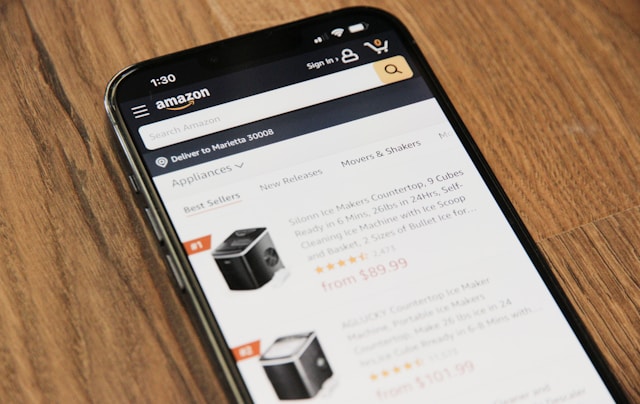
Amazon is accelerating the future of rapid fulfillment with the U.S. pilot of Amazon Now, a new ultra-fast delivery service capable of getting essentials to customers’ doorsteps in 30 minutes or less. After initial launches in India and the UAE earlier this year, Amazon has now brought its fastest-ever delivery model to select neighborhoods in Seattle and Philadelphia—two markets known for dense urban populations and high Prime adoption.
The move strengthens Amazon's grip on last-mile logistics and signals a renewed push into a category many analysts thought had peaked: ultra-fast grocery and essentials delivery.
Amazon Now: The Company’s Fastest Delivery Promise to Date
Amazon Now offers delivery of thousands of SKUs—from groceries to OTC medicine to electronics—within half an hour. The assortment reflects everyday essentials, including:
•Milk, eggs, fresh produce
•Toothpaste, cosmetics, personal care
•Pet treats and diapers
•Paper products and pantry staples
•Seasonal items
•Small electronics and household needs
The pricing structure positions the service as an accessible premium option:
•Prime members: starting at $3.99 per order
•Non-Prime customers: $13.99 per order
•Orders under $15: add-on basket fee of $1.99
By bundling the service directly into the Amazon app and website, the company removes friction—customers simply look for the “30-Minute Delivery” option to check availability and track orders in real time.
How Amazon Is Making 30-Minute Delivery Possible
To support such compressed delivery windows, Amazon is leaning on:
1. Smaller, specialized fulfillment sites
These micro-facilities are strategically placed near dense customer clusters, minimizing the distance and time drivers need to travel.
2. Streamlined SKU selection
Focusing on high-turn essentials reduces picking complexity and increases speed.
3. Integrated app workflow
Amazon Now isn’t a separate platform—its integration into the main Amazon interface suggests Amazon wants scale, not exclusivity.
This mirrors the micro-fulfillment trend seen across the industry, where speed is achieved by bringing inventory closer to consumers rather than relying on traditional distribution centers.
Why Ultra-Fast Delivery Is Getting a Second Chance
The U.S. has struggled to sustain ultra-fast delivery startups. Companies like Jokr and Buyk collapsed in 2022 when capital dried up and order density failed to reach viability. Yet a few players—most notably Gopuff—proved the model could work under disciplined operations and optimized geography.
Amazon’s entrance is strategically timed:
•Consumer expectations for instant convenience are rising
•Grocery delivery adoption remains elevated post-pandemic
•Amazon already has the required logistics infrastructure—and cash flow—that early startups lacked
My take: If anyone can operationalize ultra-fast delivery at scale, it’s Amazon. The question is not whether Amazon can deliver in 30 minutes—it’s whether consumers are willing to pay for that speed consistently.
Competitive Pressure: Walmart and the Drone Factor
Amazon’s biggest rival isn’t standing still. Walmart reports completing 150,000+ drone deliveries since 2021, with most orders completed within minutes. The retailer is also experimenting with dark stores—fulfillment-only spaces similar to Amazon’s approach—to reduce delivery time.
This escalating speed race highlights a broader strategic shift:
The battle for retail dominance is moving from two-day delivery → one-day → same-day → and now, sub-hour fulfillment.
What This Pilot Means for the Future of Last-Mile Delivery
Amazon Now offers three clear signals about where the market is heading:
1. Speed is becoming a differentiator again
Customers may not always need 30-minute delivery, but Amazon wants to make it an option—just like it did with Prime in the early 2000s.
2. Micro-fulfillment is the new backbone of urban logistics
Traditional warehouses are too slow and too far. Expect more small, local, highly automated facilities.
3. Premium convenience will coexist with low-cost shipping
Subscription models, tiered delivery fees, and Prime-only perks will shape consumer expectations.
If the Seattle and Philadelphia pilots succeed, Amazon could expand Amazon Now nationwide in 2026—setting off a new phase of last-mile competition that could reshape everything from grocery to pharmacy to home essentials.
Source: Based on reporting from Chain Store Age (CSA)