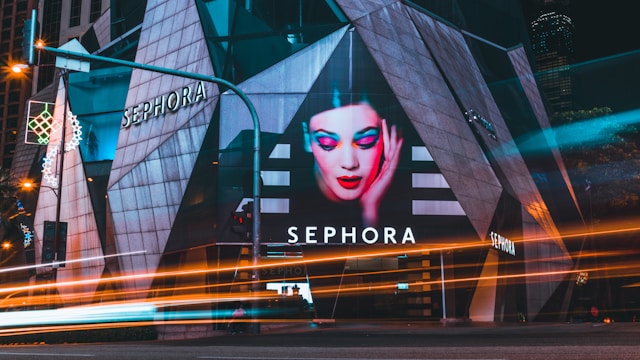
Sephora is reshaping its U.S. marketing department in a strategic move designed to boost efficiency and modernize operations—an overhaul that reflects both ongoing economic pressures and sweeping changes in how retail marketing functions in the age of automation and creator commerce.
The reorganization, completed over the past year, impacted 27 roles, though the company emphasized that it did not reduce headcount. Instead, all affected positions were repurposed into new marketing roles, and employees were encouraged to apply for updated positions that better align with the retailer’s future marketing direction.
This restructuring signals Sephora’s intent to streamline decision-making, remove operational bottlenecks, and prepare its marketing systems for an era where data, speed, and content production are becoming defining competitive advantages.
What Happened: A Purposeful Redesign of Marketing Roles
In a statement confirming the reorganization, Sephora described the process as “purposeful” and aimed at enabling its U.S. marketing teams to work more effectively. The retailer cited two core goals:
1.Enhance efficiency by streamlining the marketing structure so teams can respond more quickly to consumer needs and market trends.
2.Increase organizational flexibility by creating roles that both attract new talent and offer greater mobility and career growth for existing employees.
While the number of impacted roles—27—is notable, Sephora made it clear that the restructuring wasn’t a layoff event but a workforce transformation, reflecting a broader industry shift where marketing jobs increasingly need digital fluency, cross-functional alignment, and adaptability.
A Marketing Shakeup in the Context of Bigger Company Changes
Sephora’s marketing realignment didn’t happen in isolation. It is part of a larger transformation unfolding across the company’s North American division:
1. New Marketing Leadership Is Setting a New Agenda
In 2023, Sephora appointed Zena Srivatsa Arnold as U.S. Chief Marketing Officer, following the long tenure of Deborah Yeh, who now serves as Global CMO.
Arnold, whose background spans Google and Kellogg Company, is known for modernizing brand organizations with data-led and tech-driven strategies—suggesting Sephora’s marketing revamp is both overdue and intentional.
2. North American Store Fleet Undergoing Multi-Year Redesign
In January, CEO Artemis Patrick announced a massive redesign initiative across Sephora’s entire North American store network. The majority of this work is expected to be completed within five years, though the company hasn't disclosed exact timelines.
This store modernization aligns with Sephora’s push to blend physical retail with immersive digital discovery—a direction heavily influenced by Gen Z shopping behavior.
3. A Major Bet on Influencer Commerce: My Sephora Storefront
In October, Sephora launched My Sephora Storefront, an affiliate platform enabling influencers to build curated, shoppable digital storefronts embedded directly into Sephora’s ecosystem.
This move positions Sephora aggressively in creator-led commerce, a channel increasingly dominating beauty discovery and purchase decisions.
Industry Context: Beauty Retail Faces Contradictory Signals
Sephora’s marketing transformation is happening in a retail environment marked by sharp contrasts:
•Macroeconomic pressure is real, suppressing consumer sentiment across most categories.
•Beauty remains resilient, but with a twist:
A Circana report from August noted mass market beauty sales grew faster than prestige beauty in the first half of 2025—a shift that could reshape how retailers position price tiers and promotions.
For Sephora, which dominates the prestige segment, this means marketing must work harder—leaner teams, sharper messaging, and greater agility.
Senior Editor’s Analysis: What This Reorganization Really Signals
From a strategic standpoint, this reshuffle reflects three key trends shaping beauty retail:
Trend 1: Marketing Is Moving Toward Tech-Driven Efficiency
AI, automation, and data analytics now dictate marketing performance. Sephora’s restructuring suggests a tighter, more analytics-focused team is required to keep pace.
Trend 2: Creator Commerce Is Becoming Core, Not Experimental
The launch of My Sephora Storefront shows Sephora understands where influence—and conversion—is migrating. This requires a marketing org built to support rapid content cycles and influencer partnerships.
Trend 3: Prestige Beauty Must Defend Market Share
With mass beauty gaining traction, Sephora needs marketing strategies that differentiate on experience, expertise, and personalization—not just product.
In short: Sephora isn’t just reorganizing roles—it’s rebuilding the engine that will drive its next decade of customer engagement.
This article references data and reporting from[RetailDive].