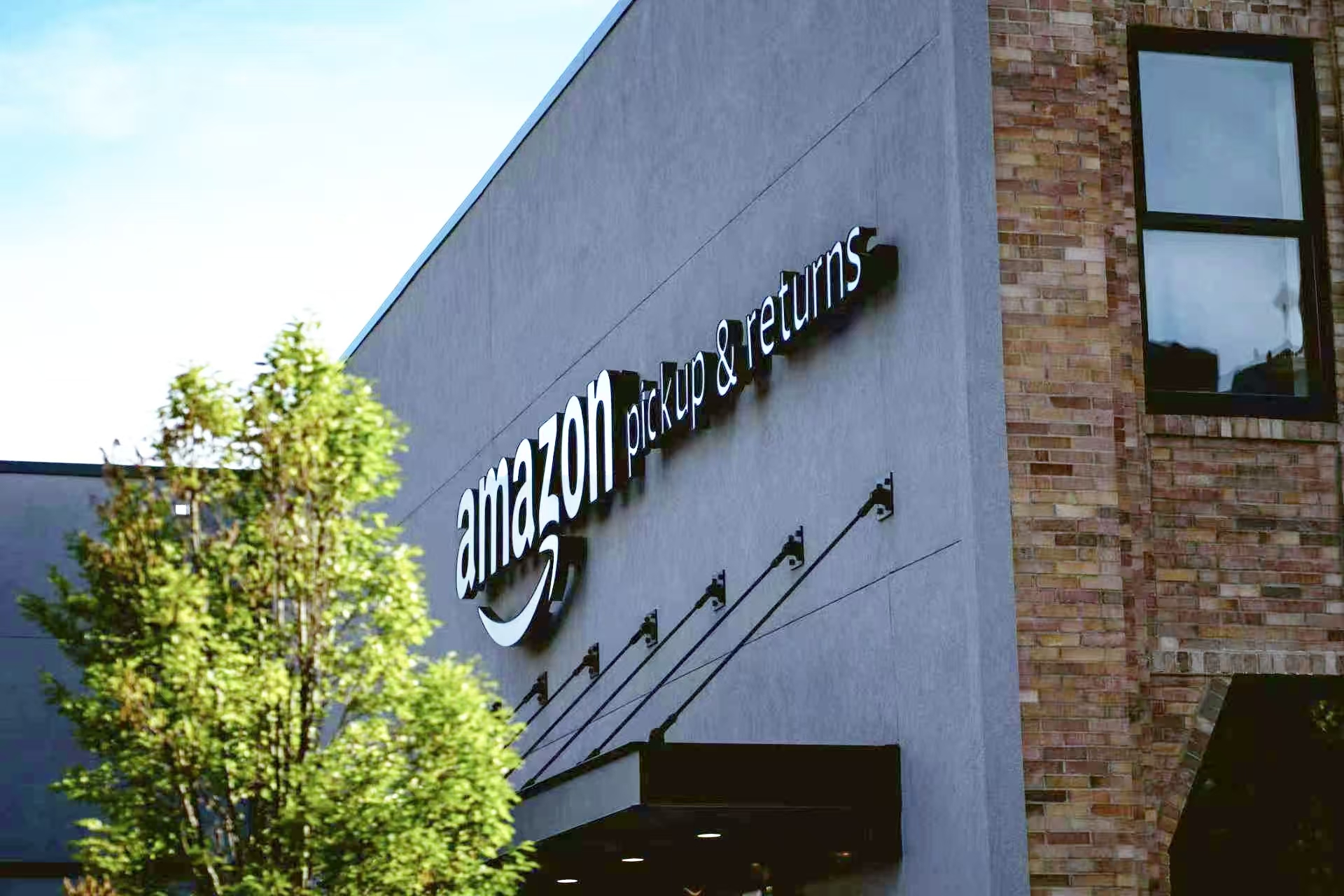
Amazon Deepens Its Commitment to Food Access and Rural Delivery
At its Delivering the Future 2025 event in San Francisco, Amazon announced a renewed commitment to support food banks in the U.S. and U.K. — extending its free food delivery program through 2028.
The initiative, launched during the COVID-19 pandemic, has already facilitated the delivery of over 60 million free meals to families and individuals facing food insecurity. Amazon will continue offering free transport services to its 40+ food bank partners, reaffirming its dual mission of expanding logistics capabilities while tackling hunger at scale.
Home Delivery: Beyond Convenience, a Lifeline
According to Bettina Stix, Amazon’s Global Director of Community Impact, home delivery has measurable economic and social benefits.
“Home delivery saves families an average of $100 per month in time and travel costs,” Stix said. “By extending this program through 2028, we’re using our logistics network to help families maintain reliable access to nutritious meals.”
This program is designed specifically for households facing transportation barriers, mobility issues, or geographic isolation, especially in rural and underserved communities.
Leveraging Amazon’s Expanding Rural Logistics Infrastructure
Amazon’s ability to sustain this initiative lies in its massive and evolving logistics network. The company uses a mix of Delivery Service Partner (DSP) drivers, Amazon Flex partners, and its growing rural delivery fleet — which includes tractor-trailers, box trucks, and vans — to transport goods from suppliers to food banks and from there to pantries, schools, and community hubs.
The initiative dovetails with Amazon’s broader logistics investment strategy. In 2025 alone, Amazon announced it was investing over $4 billion to strengthen its rural delivery infrastructure, enabling faster, more reliable coverage in regions where traditional courier networks are sparse.
That investment now serves a dual purpose: improving e-commerce delivery efficiency and enabling social impact programs like this food distribution effort.
Addressing Food Insecurity Through Logistics Innovation
While food insecurity is often viewed as a social issue, Amazon’s program reframes it as a logistics problem—one that technology and infrastructure can solve. By combining its delivery expertise with nonprofit partnerships, Amazon is demonstrating how commercial supply chain innovation can be repurposed for humanitarian outcomes.
In 2025, the company also piloted summer meal programs for children in rural communities, ensuring consistent nutrition access while schools were closed. These initiatives highlight Amazon’s broader corporate social responsibility (CSR) strategy: using its logistical dominance to close critical accessibility gaps in essential services.
Editor’s Analysis: What This Move Signals
Amazon’s extended commitment reflects three strategic trends reshaping global logistics and CSR:
1.Integration of commerce and community service – Amazon is leveraging the same infrastructure that drives Prime deliveries to achieve measurable social good.
2.Rural network monetization through social purpose – Investments in remote delivery now serve both business expansion and philanthropic optics.
3.Corporate image recalibration – Amid scrutiny over labor and environmental policies, Amazon’s visible, data-backed community efforts strengthen its reputation as a responsible logistics leader.
In essence, Amazon’s food bank delivery program shows how the world’s largest e-commerce player can use its network not just for profit, but for social infrastructure building — setting a model that other global retailers may soon follow.
This article references data and reporting from[RetailDive].