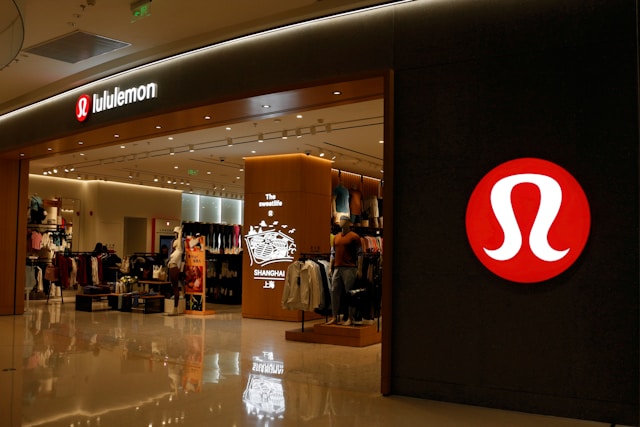
The escalating standoff between Chip Wilson and the board of Lululemon Athletica is not just another founder-versus-directors dispute. It is a public stress test of the company’s governance model at a moment when leadership continuity, strategic clarity, and competitive positioning are all under pressure.
With CEO Calvin McDonald set to step down at the end of January, Lululemon finds itself navigating a CEO search under the scrutiny of both its founder and activist investors—while its core North American business shows signs of fatigue.
What Triggered the Latest Flashpoint
Late last month, Wilson announced his intention to nominate three external candidates to Lululemon’s board and to push for annual elections of all directors—a move that would significantly increase shareholder leverage over governance. The proposed nominees include executives from footwear, media, and gaming backgrounds, signaling Wilson’s desire for a board with stronger creative and brand-building credentials.
However, after submitting the names, Wilson declined to continue discussions with the board, according to Lululemon. The company responded by emphasizing its intent to avoid a proxy fight while confirming it would formally evaluate the nominees through its standard governance process.
Wilson, for his part, framed the move as a necessary reset. In his view, the current board lacks the creative leadership needed to restore momentum and stakeholder confidence.
Why Governance Is the Real Battleground
This episode goes beyond personalities. At its core is a fundamental disagreement over what Lululemon needs next.
The board points to results: nearly $9 billion in revenue growth over the past decade and operating income that has expanded almost sixfold. More than a third of directors have joined within the past four years, which the company cites as evidence of refreshment and adaptability.
Wilson, however, is arguing that historical performance is no longer sufficient. In a more crowded and fashion-sensitive activewear market, he believes governance must tilt toward visionary brand leadership rather than operational optimization.
As turnaround advisor Michael Appel noted, installing founder-backed directors—especially under an annual election model—would materially increase Wilson’s influence. That raises a familiar question in public markets: when does founder insight become founder control?
CEO Search Complicated by Activist Pressure
The timing of the dispute is particularly sensitive. Lululemon is actively searching for McDonald’s successor, and activist investor Elliott Investment Management—which reportedly holds a stake exceeding $1 billion—is already weighing in. Elliott is said to favor Jane Nielsen, adding another layer of pressure on the board’s decision-making.
Wilson has publicly criticized McDonald’s departure as a failure of succession planning, calling it the third such oversight under the current board. Whether that critique is fair or retrospective, it resonates with investors who are watching leadership transitions across retail closely after a volatile few years.
Market Reality: The North American Engine Is Slowing
The governance debate is unfolding against a backdrop of uneven performance. While Lululemon’s most recent quarter delivered 7% overall revenue growth to $2.6 billion, sales in the Americas declined 2%, and comparable sales in the region fell 5%. Growth elsewhere is masking softness in what has historically been the company’s profit engine.
Competition has intensified as both legacy athletic brands and digitally native upstarts crowd the premium activewear space. As Appel bluntly put it, being the dominant force in yoga no longer guarantees innovation leadership—especially at Lululemon’s current scale.
Outlook: A Defining Moment for Lululemon’s Next Chapter
This confrontation reveals three critical truths about Lululemon’s position in 2026.
First, founder influence has not faded—even years after operational control passed to professional management. Second, governance structures that worked during hypergrowth are being reexamined under slower, more complex market conditions. Third, the choice of the next CEO will implicitly decide whether the company prioritizes creative reinvention or disciplined execution—or can credibly balance both.
Whether Wilson’s campaign gains traction or stalls, the board’s response will shape investor confidence far beyond this proxy season. For Lululemon, the risk is not just a noisy governance fight—it is drifting strategically while competitors move faster.
Source: Based on reporting from Retail Dive