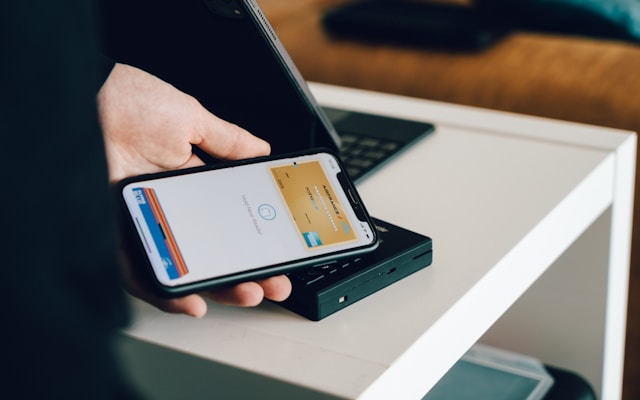
The shift toward mobile-first payments is no longer a futuristic prediction—it’s happening now, and it’s reshaping consumer spending patterns. A new LendingTree survey shows that as digital wallets become more mainstream in the U.S., shoppers aren’t just using them more often—they’re spending more than they would with traditional payment methods.
This changing behavior has profound implications for retailers, payment providers, and brands navigating an increasingly cashless landscape.
Consumers Are Spending More When Mobile Wallets Are in Their Hands
One of the most striking findings: 33% of digital wallet users admit they spend more when paying through mobile apps. For some groups, the effect is even stronger:
•44% of parents with children under 18 spend more
•39% of millennials spend more
Only 17% say they spend less with mobile wallets.
This aligns with a broader behavioral trend in payments: frictionless transactions often reduce the “pain of paying,” making consumers more likely to spend impulsively or upgrade purchases—similar to how one-click checkout transformed e-commerce a decade ago.
Digital Wallet Expectations Are Now Shaping Store Choice
A notable 37% of users say they have stopped shopping at a retailer simply because digital payments weren’t accepted.
This is not a minor preference—it marks a turning point in customer loyalty. Many shoppers now see mobile wallet acceptance as a basic service expectation, not a perk.
For retailers slow to modernize their payment infrastructure, the cost is no longer theoretical. It is measurable and immediate: customers are walking away.
Younger Consumers Are Leading the Shift—And Setting the Future Standard
According to the survey, 63% of Americans have used a mobile wallet, but the usage gap between generations is massive:
•84% of Gen Z (18–28)
•81% of millennials (29–44)
•60% of Gen X (45–60)
•30% of baby boomers (61–79)
Gen Z in particular is displaying a transformative shift in in-store habits:
•25% say mobile wallets are their primary in-person payment method, surpassing credit cards (19%)
•Only debit cards (40%) hold a larger share
This is a preview of where the broader market is headed: as younger consumers mature into their peak spending years, their habits become the baseline for retailers and payment platforms.
Why Consumers Prefer Digital Wallets: Speed Wins Over Everything
Asked why they prefer mobile wallets, respondents highlighted:
•Faster checkout (43%) — the top reason across all demographics
•Better security (16%)
•Not wanting to carry physical cards (11%)
Interestingly, most consumers do not view digital wallets as vastly more secure.
Only 43% believe they’re safer, while 50% say security is comparable to physical cards. Just 8% think they’re less secure.
This suggests that convenience—not security—is the primary driver of adoption.
Despite Growth, Physical Cards Still Dominate In-Store Purchases
The transition to mobile wallets is accelerating, but not yet complete:
•74% of Americans still prefer debit or credit cards for in-person purchases
•13% prefer digital wallets
•12% prefer cash
Even among lower-income consumers (earning under $30,000 annually):
•12% prefer mobile wallets
•10% prefer credit cards
•52% still rely on debit cards
The data shows a steady—but not explosive—shift. Consumers are comfortable with mobile wallets, but they aren’t ready to abandon physical cards entirely.
Will Physical Wallets Disappear? Not Anytime Soon.
Despite the growing reliance on mobile payments, 64% of Americans expect to still carry a physical wallet or card in five years.
Gen Z is the most skeptical about the future of physical wallets, but even then:
•Only 25% believe they won’t carry one in five years
This suggests a hybrid payment future—one where digital wallets continue gaining ground while physical cards remain a reliable fallback.
Editor’s Analysis: Three Trends Retailers Need to Prepare For
From a senior editorial perspective, this survey highlights three industry shifts that will redefine retail operations:
1. Payment Flexibility Is Becoming a Competitive Advantage
Retailers that fail to support digital wallets risk losing younger customers—and increasingly, mainstream buyers.
2. Frictionless Checkout Drives Higher Spending
As more purchases flow through mobile wallets, retailers can expect higher AOV (Average Order Value).
This mirrors the long-term impact of e-commerce “buy now” flows.
3. Mobile Wallet Adoption Will Accelerate as Gen Z Matures
Today, Gen Z uses mobile wallets out of convenience.
Tomorrow, they will expect them as a standard feature—forcing even legacy retailers to modernize.
In short: digital wallets are no longer an emerging trend—they’re the new baseline for consumer payments.
Survey Methodology
The survey was conducted online by QuestionPro for LendingTree, polling 2,015 U.S. consumers ages 18–79 from November 5–10, 2025.
Source: Based on reporting from Chain Store Age