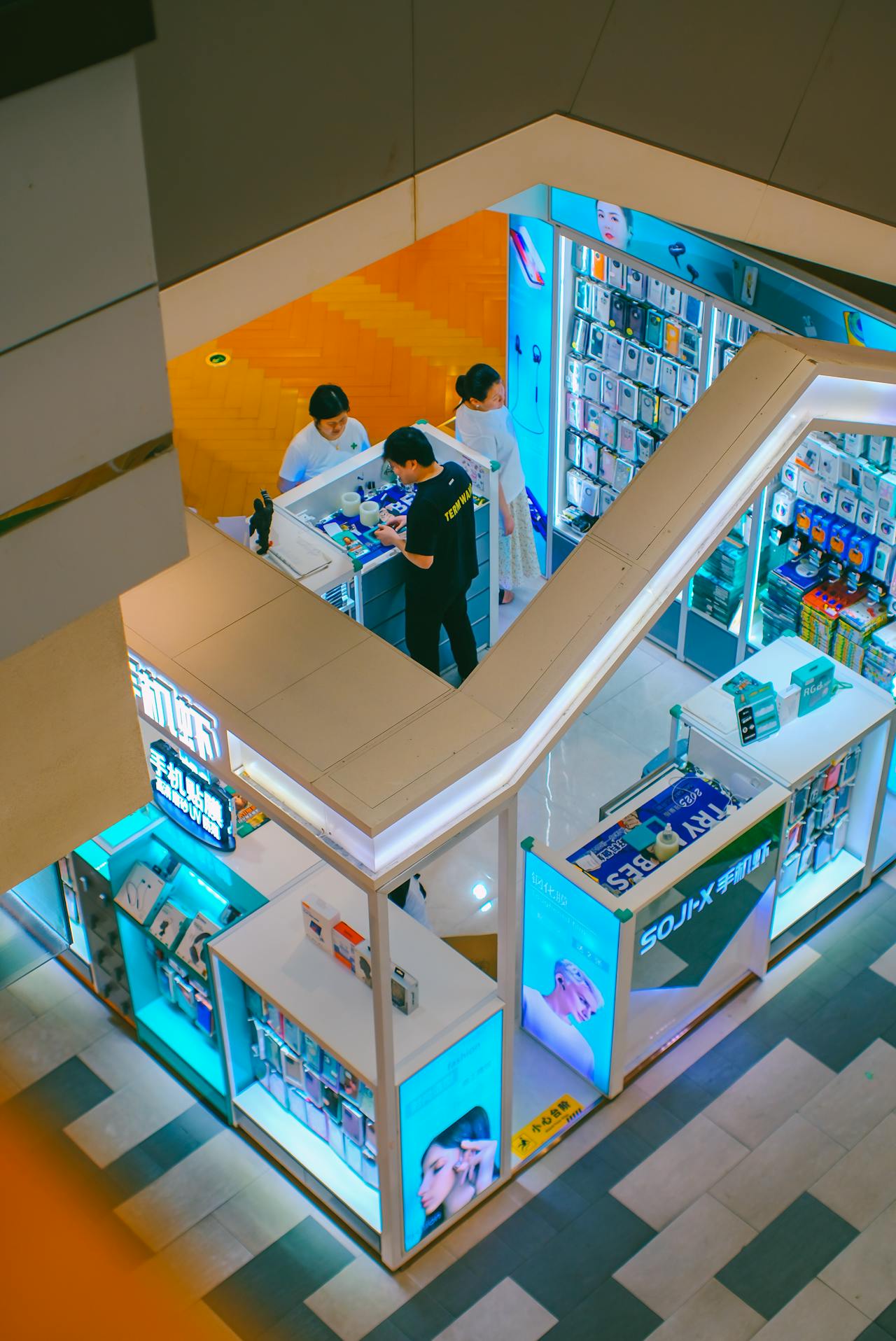
In today's fast-paced retail world, the ability to launch a temporary store quickly is a powerful competitive edge. Mastering pop-up operations means moving from concept to customer in weeks, not months. This guide breaks down the strategic framework for a streamlined temporary store setup that maximizes impact and minimizes risk.
What Are Pop-up Operations? Defining the Modern Temporary Store
Pop-up operations are short-term, tactical retail activations designed for a specific purpose and duration. Unlike permanent stores, they are defined by their agility, focused objectives, and temporary nature. This model allows brands to create immersive, time-sensitive experiences that drive urgency and engagement.
The Core Components of a Pop-up Operation
Every successful pop-up rests on five pillars. First, the location must generate high foot traffic and align with your brand's vibe. Second, staffing requires enthusiastic, adaptable team members for short-term roles. Third, inventory is curated and often limited to create scarcity. Fourth, technology like mobile POS and simple inventory systems must be plug-and-play. Finally, the entire customer experience, from entry to checkout, needs intentional design.
Why Speed and Agility Are Non-Negotiable
The clock starts ticking the moment you sign a lease. Delays in setup eat into your limited sales window and inflate costs. Efficient pop-up operations directly translate to higher return on investment and stronger brand impact. The ability to pivot quickly based on early customer feedback is a unique advantage of this model.
The Strategic Advantages of Mastering Temporary Store Setup
Beyond just a sales channel, a well-executed pop-up serves multiple strategic functions. It's a marketing event, a data collection point, and a brand community hub all in one.
Low-Risk Market Testing and Product Launches
Instead of committing to a costly long-term lease, a pop-up lets you test a new neighborhood, product line, or retail concept. You can gather real-time sales data, observe customer interactions, and validate assumptions before making a larger investment.
Creating Buzz and Driving Direct Consumer Engagement
A temporary store is inherently newsworthy. It generates social media content, PR coverage, and word-of-mouth. The "here today, gone tomorrow" nature fosters a sense of exclusivity, encouraging visits and purchases from customers who want to be part of a unique event.
The 5-Phase Framework for Rapid Pop-up Operations Setup
A chaotic launch can doom your project. Follow this sequential framework to ensure your temporary store setup is smooth and controlled.
Phase 1: Concept & Objective Definition
Start with clarity. Is the goal brand awareness, direct sales, or product testing? Define your target audience and the core brand story the space will tell. Every subsequent decision should flow from these defined objectives.
Phase 2: Location Scouting & Legal Logistics
Look for spaces with built-in traffic that match your brand aesthetic. Negotiate a short-term lease with clear terms for build-out and restoration. Secure necessary permits—often a temporary certificate of occupancy, sales tax permit, and signage approval—and obtain event insurance.
Phase 3: Design & Build-Out for Speed
Embrace modularity. Use freestanding fixtures, pre-fabricated elements, and rental furniture that can be installed and removed quickly. Work with vendors experienced in fast-turnaround projects to avoid construction delays.
Phase 4: Technology & Systems Integration
Your tech stack must be simple and reliable. Prioritize a cloud-based mobile Point of Sale system, a basic inventory management app, strong guest Wi-Fi, and digital signage for easy updates. Test everything thoroughly before opening day.
Phase 5: Staffing, Training, and Grand Opening Execution
Hire for energy and adaptability. Conduct condensed, impactful training focused on your product story and customer experience vision. Plan the grand opening moment meticulously, but empower staff to handle unexpected situations gracefully.
Common Pitfalls in Temporary Store Setup and How to Avoid Them
Forewarned is forearmed. Many pop-up stumbles are predictable and preventable.
Underestimating Timeline and Budget
Everything takes longer and costs more than the initial estimate. Build a 20-30% contingency into both your timeline and budget for unexpected permit delays, last-minute material costs, and logistical snags.
Neglecting the Customer Journey and Flow
A beautiful store that creates bottlenecks is a failure. Map the customer's path from sidewalk to sale. Ensure there is clear signage, ample space to browse, and an efficient checkout process. Design for experience, not just Instagram aesthetics.
Measuring Success and Planning the Next Move
The end of the pop-up is just the beginning of the analysis. Use data to decide whether to extend, close, or replicate your operations elsewhere.
Key Performance Indicators (KPIs) for Pop-up Operations
Track metrics aligned with your initial goals. Key indicators often include sales per square foot, daily foot traffic, customer acquisition cost, average transaction value, and social media engagement/mentions generated by the activation.
The Post-Pop-up Analysis: Learn, Iterate, Scale
Hold a formal debrief with your team. What products sold best? What did customers ask for? What operational hiccups occurred? This qualitative and quantitative feedback is gold for refining your retail strategy, whether for future pop-ups or a permanent location.
Effective pop-up operations are a blend of meticulous planning and creative execution. By viewing your temporary store setup as a strategic project with a clear lifecycle, you transform a short-term activation into a long-term source of customer insight and brand growth.
FAQ: Pop-up Operations
How much does it typically cost to set up a pop-up store?
Costs vary widely but typically range from a few thousand dollars for a simple kiosk to tens of thousands for a large, fully built-out experience. Major factors include location rent, build-out materials, technology, and staffing.
What are the most common legal permits needed for a temporary retail space?
Common requirements include a temporary certificate of occupancy, a local business/sales tax permit, and sometimes a special event or signage permit. Always check with the local municipality and property manager.
How long should a pop-up store stay open to be effective?
Most pop-ups run from a few days to several months. The ideal duration depends on your goal: a weekend for buzz, 1-3 months for sales and testing, or a seasonal period (like holiday) for maximum traffic.
Can a pop-up operation be successful in a small town or suburban area?
Absolutely. Success hinges on understanding the community. In lower-traffic areas, the pop-up must be a destination event, driven by strong local marketing, partnerships, and a compelling reason for customers to seek it out.