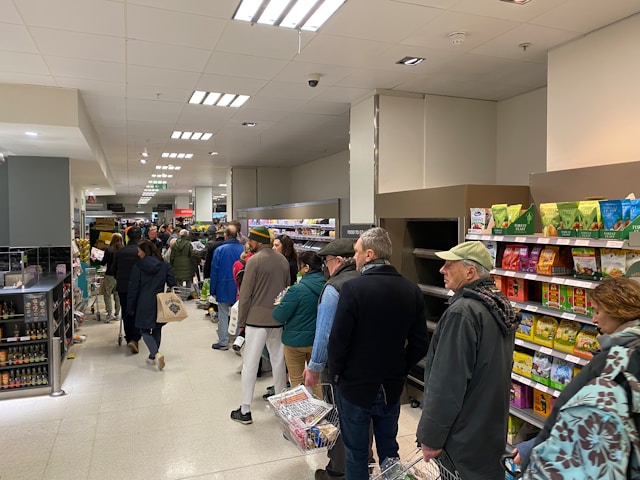
For retailers, major sales events like Black Friday represent a massive opportunity—and a significant safety challenge. Effective crowd control is the critical line between a profitable, positive event and a potential crisis. This guide provides actionable strategies for managing pedestrian and vehicle traffic to ensure safety for customers, staff, and your brand reputation.
Why Crowd Control is Non-Negotiable for Major Sales Events
Ignoring crowd management is a gamble with severe consequences. The intense pressure of limited-time deals and high-demand products can quickly escalate a busy store into a dangerous environment without proper planning.
The High Cost of Inadequate Planning: Risks and Real-World Incidents
History has shown the dangers: trampling, violent altercations, property damage, and even fatalities. These incidents stem from poor queue management, unclear entry/exit points, and a lack of staff direction. The resulting human cost is immeasurable, and the financial and legal repercussions can be devastating.
Beyond Safety: The Business Benefits of Effective Crowd Management
A safe event is a successful event. Proper crowd control leads to a better customer experience, reducing frustration and fostering positive brand perception. It also improves operational efficiency, allowing staff to assist customers and process transactions smoothly, ultimately protecting revenue and your store's long-term reputation.
Pre-Event Planning: The Foundation of Crowd Safety
Safety is built weeks before the doors open. Proactive planning transforms reaction into controlled management.
Developing a Comprehensive Crowd Management Plan
This written plan is your blueprint. It must define maximum occupancy limits, assign specific roles to all staff (security, line managers, spotters), establish clear communication protocols, and detail coordination plans with local police and emergency services. Share this plan with every team member.
Store Layout and Traffic Flow Design for Safety
Reconfigure your space for movement, not just merchandise. Create dedicated, one-way pathways to high-demand areas, eliminate blind corners that create choke points, and use clear, bold signage for queues, exits, and product locations. Designated entry and exit points are mandatory to prevent cross-traffic.
Key Crowd Control Measures and Physical Safety Solutions
On the day, your plan comes to life through physical infrastructure and trained personnel.
Effective Use of Barriers, Stanchions, and Queue Design
Portable barriers and retractable belt stanchions are indispensable. Use them to create organized, serpentine queues that keep lines compact and orderly. Establish clear barrier pens for holding crowds before store opening, ensuring they form at a safe distance from entrances and glass.
Strategic Staffing: Roles, Training, and Communication
Staff must be trained for specific roles beyond regular sales duties. Spotters monitor crowd density from elevated positions. Line managers enforce queue rules and provide updates. All key personnel need reliable communication tools, like two-way radios, and should be trained in de-escalation techniques and recognized hand signals.
Managing Vehicle and Pedestrian Traffic for Event Safety
The safety perimeter extends to your parking lot. Neglecting external traffic management creates gridlock and dangerous pedestrian-vehicle interactions.
Parking Lot Logistics and Traffic Direction
Plan for a surge in vehicles. Designate specific entry and exit lanes, use cones and temporary signage to direct flow, and staff key intersections with traffic directors. Ensure well-lit, clearly marked crosswalks for pedestrians moving from parking areas to the store.
Coordinating with Local Law Enforcement and Emergency Services
Meet with local authorities well in advance. Provide your event schedule and crowd management plan. They can advise on or assist with off-site traffic control and ensure emergency vehicle access routes are kept clear, enabling a rapid response if needed.
Technology and Communication: The Modern Safety Net
Digital tools provide real-time awareness and amplify your public messaging.
Leveraging Surveillance and Crowd Monitoring Tools
Your existing CCTV system should be checked and optimized to cover all critical areas: entrances, queues, and high-value product sections. For very large events, consider crowd density monitoring software that can alert you to dangerous buildups before they become unmanageable.
Clear Public Communication: Signage, PA Announcements, and Digital Updates
Communicate early and often. Use exterior signage to outline rules before customers enter. Inside, make regular PA announcements about queue status, safety reminders, and product availability. Update social media channels with wait times or sold-out items to manage expectations for those still arriving.
Proactive Measures for Black Friday and Lightning Deal Events
The frenzy of doorbusters requires specific tactics to prevent a single-point rush.
Special Strategies for Doorbuster and High-Demand Item Sales
Avoid concentrating all demand in one spot. Consider a voucher or ticket system handed out to queued customers before opening. Disperse high-demand products to multiple locations within the store. For extreme promotions, implement timed entry slots to meter the flow of people into the building.
Contingency Planning for Unforeseen Crowd Behavior
What if the crowd is twice the expected size? What if severe weather hits? Your plan must include trigger points for action, such as stopping further entry when capacity is reached, initiating a staged closing, or safely evacuating queues. Designate a command lead to make these critical calls.
Building a Culture of Safety for Every Event
Effective crowd control and Black Friday safety is not a one-time checklist. It's a continuous commitment. After each event, conduct a thorough debrief with your team and security partners. What worked? What failed? Use those insights to refine your plan for next time. By prioritizing safety in your planning, you protect your most valuable assets: people and your brand's promise.
FAQ: Crowd Control and Black Friday Safety
What are the most common crowd control mistakes retailers make on Black Friday?
Underestimating crowd size, failing to create physical queue barriers, not training staff for specific crowd management roles, and having poor communication between team members are frequent, critical errors.
How many security or staff members are needed per customer for a large sale event?
There's no universal ratio, as it depends on store layout and event type. A better approach is to staff based on risk zones: entrances, high-value product areas, and queue lines should each have dedicated, trained personnel visible at all times.
What is the best way to handle line cutters or aggressive customers?
Train staff to address issues calmly and early. Have a clear, posted policy. Isolate the individual from the main crowd if possible to de-escalate. Never allow staff to engage in physical confrontation; security or law enforcement should handle volatile situations.
Are there specific crowd control regulations or laws retailers need to follow?
Yes. Retailers must comply with local fire codes regarding maximum occupancy (capacity limits). You also have a legal "duty of care" to provide a reasonably safe environment, which forms the basis for needing a formal crowd management plan.
How can we manage crowd safety for an online-triggered, in-store pickup event?
Create a separate, dedicated pickup area away from the main sales floor. Use timed pickup windows to stagger customer arrivals. Implement a clear "check-in" system via a mobile app or kiosk to notify staff, preventing a buildup of waiting customers.